What Is Home Electrical Protection?
Home electrical protection is not a single product. It is a combination of devices, connections, and installation practices that address different electrical hazards.
These protective layers may include:
-
Circuit breakers or fuses that respond to overloads and short circuits
-
Ground-fault protection intended to reduce shock hazards
-
Arc-fault protection designed to detect certain dangerous arcing conditions
-
Grounding and bonding that provide appropriate fault-current paths
-
Surge protection that limits transient voltage reaching connected equipment
-
Proper enclosures, covers, and device installation
-
Smoke and carbon monoxide alarms that provide early warnings
-
Correctly sized wiring and overcurrent protection
-
Safe electrical connections in damp, wet, and exterior locations
One protective device cannot perform every function. For example, a standard circuit breaker is not a substitute for ground-fault, arc-fault, or surge protection. Each responds to a different type of electrical condition.
Electrical Hazards Require Different Safeguards
Electrical problems are not all alike. Understanding the hazard helps determine which protective measure is appropriate.
Overloads and Short Circuits
An overload occurs when a circuit carries more current than it is designed to handle. A short circuit creates an unintended low-resistance path that can allow a large amount of current to flow.
Properly selected circuit breakers or fuses are designed to interrupt overcurrent before protected wiring becomes dangerously overheated. A breaker that trips repeatedly should not simply be reset again and again. Recurring trips indicate that the cause needs to be identified.
Ground Faults
A ground fault occurs when current follows an unintended path toward ground. If a person becomes part of that path, severe electrical shock can result.
Ground-fault circuit interrupters, commonly called GFCIs, monitor the difference between outgoing and returning current. When an imbalance consistent with a ground fault is detected, the device quickly interrupts power.
GFCI protection is especially important in areas where electricity may be used close to water or grounded surfaces. These devices may be installed as receptacles or incorporated into circuit breakers, depending on the application.
Electrical Arcing
Arcing can occur when current jumps across a damaged or unintended gap. Certain arcing conditions may result from deteriorated conductors, loose connections, damaged cords, or other electrical defects.
Arc-fault circuit interrupters, or AFCIs, are designed to detect electrical characteristics associated with certain hazardous arcs and disconnect the affected circuit. They provide a different function from standard breakers and GFCIs.
Voltage Surges
A voltage surge is a brief increase in electrical voltage. Surges may originate outside the home or be produced as equipment within the property switches on and off.
Surge protective devices help limit excess transient voltage before it reaches connected equipment. Because surge protection has its own installation requirements, device ratings, and limitations, those details are covered through our dedicated whole-home surge protection service.
Evaluating the Home’s Existing Protection
Before recommending improvements, an electrician needs to understand which safeguards are already present and how they are installed.
An evaluation may consider:
-
The type and condition of the electrical panel
-
The breakers or fuses currently installed
-
Visible grounding and bonding components
-
Existing GFCI and AFCI protection
-
Whether protective devices operate when tested
-
Receptacles in damp, wet, or exterior locations
-
Signs of overheating or previous electrical damage
-
Improper alterations or mismatched components
-
Missing covers and open panel spaces
-
The age and condition of accessible safety devices
-
Areas affected by past renovations
-
New equipment that has changed electrical demand
A broader electrical safety inspection can provide context when the condition or history of the overall system is uncertain.
Ground-Fault Protection
GFCI protection is intended primarily to reduce the risk of serious electrical shock. It is commonly associated with kitchens, bathrooms, garages, exterior areas, and other locations where moisture or grounded surfaces increase exposure.
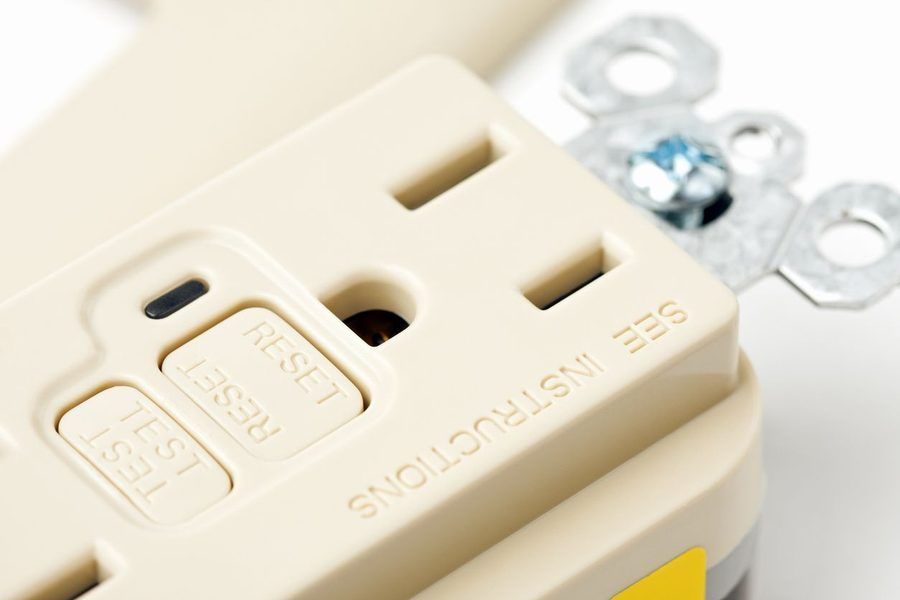
The reset button should not be forced or repeatedly operated when the device continues to trip. An electrician can determine whether the GFCI itself has failed or whether it is responding to another condition.
GFCI receptacles include test and reset controls. Homeowners should follow the manufacturer’s instructions for periodic testing. A device that does not respond properly should be evaluated.
Arc-Fault Protection
AFCI protection is designed to identify certain patterns associated with dangerous electrical arcing. Depending on the home’s age and electrical history, arc-fault protection may be present on some circuits, many circuits, or not at all.
Repeated AFCI trips require diagnosis. Replacing or bypassing a protective device without identifying the cause can leave the underlying condition unresolved.
The appropriate AFCI arrangement depends on the circuit, installation, existing equipment, and requirements that apply to the work being completed.
Grounding and Bonding
Grounding and bonding support the operation of the electrical system during fault conditions.
Grounding connects parts of the electrical system to earth through an established grounding arrangement. Bonding connects conductive components together to help create an effective path for fault current. These functions are related, but they are not interchangeable.
Much of the grounding and bonding system may be concealed or located near service equipment. A professional evaluation is needed to understand how an observed deficiency affects the home.
Electrical Panel Protection
The electrical panel houses breakers or fuses that protect individual circuits from overcurrent. Proper protection depends on the relationship among the circuit conductors, protective devices, panel equipment, and connected loads.
An electrical panel evaluation can determine whether the concern involves an individual component, improper installation, physical deterioration, or the broader panel assembly.
Homeowners should not remove the panel cover or touch internal components. Hazardous voltage may remain present even when the main disconnect is turned off.
Safer Outlets and Device Locations
Electrical protection also depends on using devices suited to their environment and application. Receptacles in areas exposed to moisture, weather, children, or physical damage may require features that are not present on a basic indoor outlet.
Protection-related device work may include:
-
Installing appropriate GFCI devices
-
Replacing damaged receptacles
-
Correcting loose or exposed devices
-
Installing suitable covers
-
Addressing devices affected by moisture
-
Replacing protective devices that fail testing
-
Correcting improper device connections
-
Installing tamper-resistant receptacles where appropriate
-
Updating exterior enclosures and covers
Necessary device corrections can be completed through professional switch and outlet services.
Smoke and Carbon Monoxide Alarm Protection
Electrical safeguards help reduce certain ignition and shock risks, while smoke and carbon monoxide alarms warn occupants when dangerous conditions develop.
Alarm protection depends on more than having devices mounted in the home. Placement, interconnection, power source, age, and operating condition can all influence how effectively occupants are alerted.
A device may need attention when it:
-
Has reached the manufacturer’s replacement age
-
Does not sound during testing
-
Chirps after a fresh backup battery is installed
-
Shows physical damage or contamination
-
Has been painted over
-
Is missing from an important area
-
No longer communicates with interconnected alarms
-
Has been disconnected because of nuisance alarms
Professional smoke and carbon monoxide detector service can address alarm installation, replacement, and electrical connection needs.
Our Home Protection Process
Electrical protection should be based on the actual system rather than a generic list of products.
1. Discussing Your Concerns
We begin by discussing the reason for the appointment. You may be concerned about recurring trips, outdated protection, a recent renovation, storm exposure, or the absence of safety features in certain areas.
2. Evaluating Existing Safeguards
The electrician examines accessible components related to the concern. This may include the panel, circuit protection, grounding and bonding, GFCI or AFCI devices, receptacles, and other relevant equipment.
3. Identifying Protection Gaps
The evaluation distinguishes among defective devices, improper installation, missing safeguards, and optional improvements. Not every older home needs every component replaced, but existing protection should be appropriate for the electrical conditions and work being performed.
4. Explaining the Recommended Work
The electrician explains which hazard each recommendation addresses. This helps homeowners understand why a standard breaker, GFCI, AFCI, grounding correction, alarm, or surge protective device may be recommended.
5. Installing and Testing
Approved devices or corrections are installed and tested as appropriate. The homeowner can then receive guidance about test buttons, reset procedures, indicator lights, or other features that should be checked over time.
Home Electrical Protection in Central Texas
Round Rock and Austin homes face a combination of intense summer heat, seasonal storms, outdoor moisture exposure, and changing electrical demand. Established homes may also contain safety devices installed under earlier standards or electrical work altered during previous renovations.
Local protection planning may need to account for:
-
Frequent use of high-demand cooling equipment
-
Home offices and sensitive electronics
-
Outdoor kitchens, patios, and workshops
-
Exterior receptacles exposed to heat and rain
-
Pool and spa environments
-
Additions and converted garages
-
Aging panels or protective devices
-
Storm-related voltage disturbances
These conditions do not point to one universal solution. The correct combination of safeguards depends on the home’s construction, electrical equipment, and areas of exposure.