What Is Whole House Surge Protection?
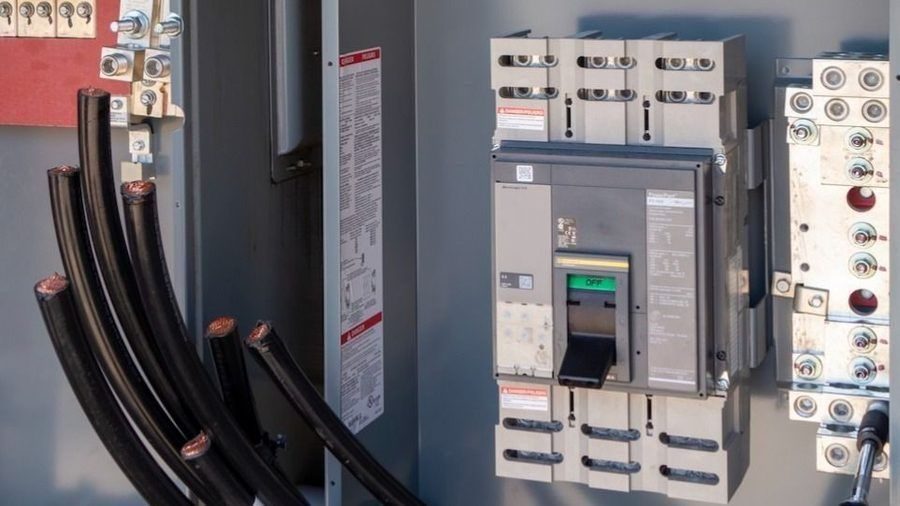
Whole house surge protection uses a surge protective device installed at or near the home’s main electrical distribution equipment.
The device is designed to help limit certain transient overvoltage events before they travel farther into the home’s electrical system.
A whole-home device may help protect equipment connected throughout the house, including:
Whole house surge protection does not make a home immune to electrical damage. It adds another layer of protection by helping manage certain voltage spikes that enter or develop within the electrical system.
What Causes Electrical Surges?
Electrical surges can originate from several sources.
Possible causes include:
-
Lightning activity
-
Utility switching
-
Power restoration after outages
-
Equipment cycling
-
Large motors starting and stopping
-
Electrical faults
-
Changes elsewhere on the utility system
Some surges are large and obvious. Others are smaller and may occur without a homeowner noticing anything unusual.
Repeated transient events can place stress on sensitive electronics over time, even when they do not cause an immediate visible failure.
Panel-Mounted Surge Protection
Panel-mounted surge protection is installed at the electrical panel or service equipment.
This location allows the device to respond before a transient voltage event reaches many of the branch circuits serving the home.
Installation may involve:
-
Evaluating the existing panel
-
Selecting compatible equipment
-
Providing the required breaker or connection
-
Installing the surge protective device
-
Confirming grounding and bonding conditions
-
Testing the completed installation
The exact installation depends on the panel type, available space, equipment configuration, and selected surge protective device.
If the electrical panel has damage, limited space, or other deficiencies, the electrician may need to address those conditions before or during installation. In some homes, surge protection can be coordinated with electrical panel work.
Home Surge Protection and the Electrical Panel
A surge protective device relies on the home’s electrical system to function as intended.
The electrician may consider:
Don’t add a surge protector to a panel without considering the surrounding equipment.
If the panel contains damaged components, improper connections, or grounding deficiencies, those conditions can affect the overall electrical system and may require correction.
Point-of-Use Surge Protection
Point-of-use surge protection includes devices installed at individual receptacles or between the receptacle and connected equipment.
Common examples include plug-in surge strips and receptacle-style protective devices.
These products can provide an additional layer of protection for selected electronics such as:
-
Computers
-
Televisions
-
Gaming equipment
-
Networking equipment
-
Office electronics
-
Entertainment systems
Point-of-use surge protection and whole-house protection are not necessarily substitutes for one another.
A layered approach may use panel-mounted surge protection at the electrical system along with point-of-use protection for particularly sensitive or valuable equipment.
Whole-Home vs. Plug-In Surge Protectors
Plug-in surge protectors only protect equipment connected through that device.
Whole house surge protection is installed closer to the electrical service and is intended to help manage transient voltage events affecting a broader portion of the home.
The two approaches differ in scope.
Whole-home protection can help cover hardwired equipment that cannot be connected to a plug-in strip, such as:
Point-of-use protection may still be appropriate for selected sensitive electronics.
What Whole House Surge Protection Can Help Protect
Modern homes contain more electronics than many homeowners realize.
Electronic controls can be found in:
-
Refrigerators
-
Ranges
-
Dishwashers
-
Washing machines
-
Dryers
-
HVAC equipment
-
Water heaters
-
Garage door openers
-
Smart switches
-
Lighting controls
-
Security systems
A device does not need to look like a computer to contain sensitive electronic components.
Residential surge protection can help reduce exposure to certain transient voltage events across many of these connected systems.
Surge Protection for Smart Homes
Smart-home equipment can increase the number of electronic controls connected to the electrical system.
A home may include:
-
Smart switches
-
Smart outlets
-
Connected thermostats
-
Doorbell systems
-
Security equipment
-
Lighting controls
-
Network hardware
-
Voice assistants
-
Automated appliances
When a homeowner adds connected devices through a broader smart home electrical setup, they may consider surge protection alongside the wiring and electrical infrastructure supporting those devices.
It does not guarantee that smart equipment cannot fail, but it can add another protective layer within the system.
Surge Protection for HVAC and Major Appliances
HVAC systems and major appliances often contain electronic control boards in addition to motors, compressors, and other electrical components.
Because these systems are permanently connected or directly plugged into household circuits, they may not be protected by the small plug-in surge strips homeowners commonly use for computers and televisions.
Panel-mounted surge protection can help provide broader coverage for these kinds of loads.
Some equipment may also have manufacturer-specific protection requirements or recommendations that should be considered separately.
Surge Protection and Generator Systems
Backup generators and surge protective devices serve different purposes.
A generator supplies electricity when utility power is unavailable. Surge protection helps manage certain transient overvoltage events.
Homes with a backup generator system may still benefit from surge protection because a generator does not eliminate every source of transient voltage.
When installing or modifying both systems, the electrician can evaluate how the protective equipment should fit into the home’s overall electrical configuration.
Surge Protection After Power Outages
Power outages themselves are not the same thing as electrical surges.
However, electrical conditions can change when utility service is interrupted or restored.
Homeowners may notice:
-
Lights flickering as power returns
-
Electronics restarting
-
Appliances cycling back on
-
Breakers tripping
-
Equipment behaving unexpectedly
A surge protective device is intended to respond to certain transient voltage events, not to prevent outages or keep equipment operating when utility power is lost.
Generator systems and surge protection therefore address different electrical concerns.
Surge Protection and Lightning
Lightning is one possible source of electrical surges, particularly when strikes occur near utility or communication infrastructure.
However, whole house surge protection should not be described as lightning-proofing a home.
A severe or direct lightning event can exceed the capability of ordinary residential surge protective devices.
Surge protection reduces exposure to certain transient voltage events, not to guarantee that connected equipment cannot be damaged under every circumstance.
Grounding and Surge Protection
Grounding and bonding are important parts of the home’s electrical system and can affect how surge protective equipment functions.
An electrician may examine accessible grounding and bonding conditions during the installation.
Problems such as:
may require further attention.
If broader deficiencies are present, appropriate wiring and rewiring work may be needed rather than treating the surge protector as an isolated installation.
When to Consider Whole House Surge Protection
Homeowners may consider residential surge protection when:
-
Installing or replacing an electrical panel
-
Renovating a home
-
Adding smart-home equipment
-
Replacing major appliances
-
Installing a generator
-
Adding sensitive electronics
-
Moving into a home without existing panel-mounted protection
-
Addressing broader electrical protection concerns
You can also add a surge protector independently if the existing electrical system supports the installation.
What Happens During Installation?
The installation process depends on the panel and selected equipment, but generally includes several steps.
1. Evaluate the electrical panel
The electrician reviews the panel configuration, available space, and relevant electrical conditions.
2. Select an appropriate installation method
The surge protective device is matched to the panel and intended application.
3. Install the equipment
The electrician installs the device and required electrical connections.
4. Review grounding and bonding
The electrician may evaluate accessible grounding and bonding conditions as part of the work.
5. Test and verify the installation
The completed installation is checked before the system is returned to normal operation.
Some projects may require additional panel or wiring work if deficiencies are discovered.
Does a Surge Protector Need Maintenance?
Many surge protective devices include status indicators that show whether the protective components are still operating.
Homeowners should become familiar with the indicator on the installed equipment and follow the manufacturer’s instructions for inspection or replacement.
A surge protective device does not necessarily last indefinitely.
Repeated surge events or a significant electrical event may reduce its protective capability, even if the device shows no obvious external damage.
If the status indicator changes or the home experiences a major electrical event, the equipment should be evaluated.
Signs a Surge May Have Affected the Home
Possible signs of electrical damage after a surge event can include:
-
Electronics that no longer operate
-
Appliances behaving incorrectly
-
Failed controls
-
Burned odors
-
Tripped breakers
-
Damaged receptacles
-
Lighting problems
-
Unusual equipment behavior
These symptoms do not prove that a surge was the cause.
An electrician may need to perform electrical troubleshooting and repair to determine whether the issue involves the panel, branch circuit, wiring, connected equipment, or another condition.
Whole-Home Surge Protection in Central Texas
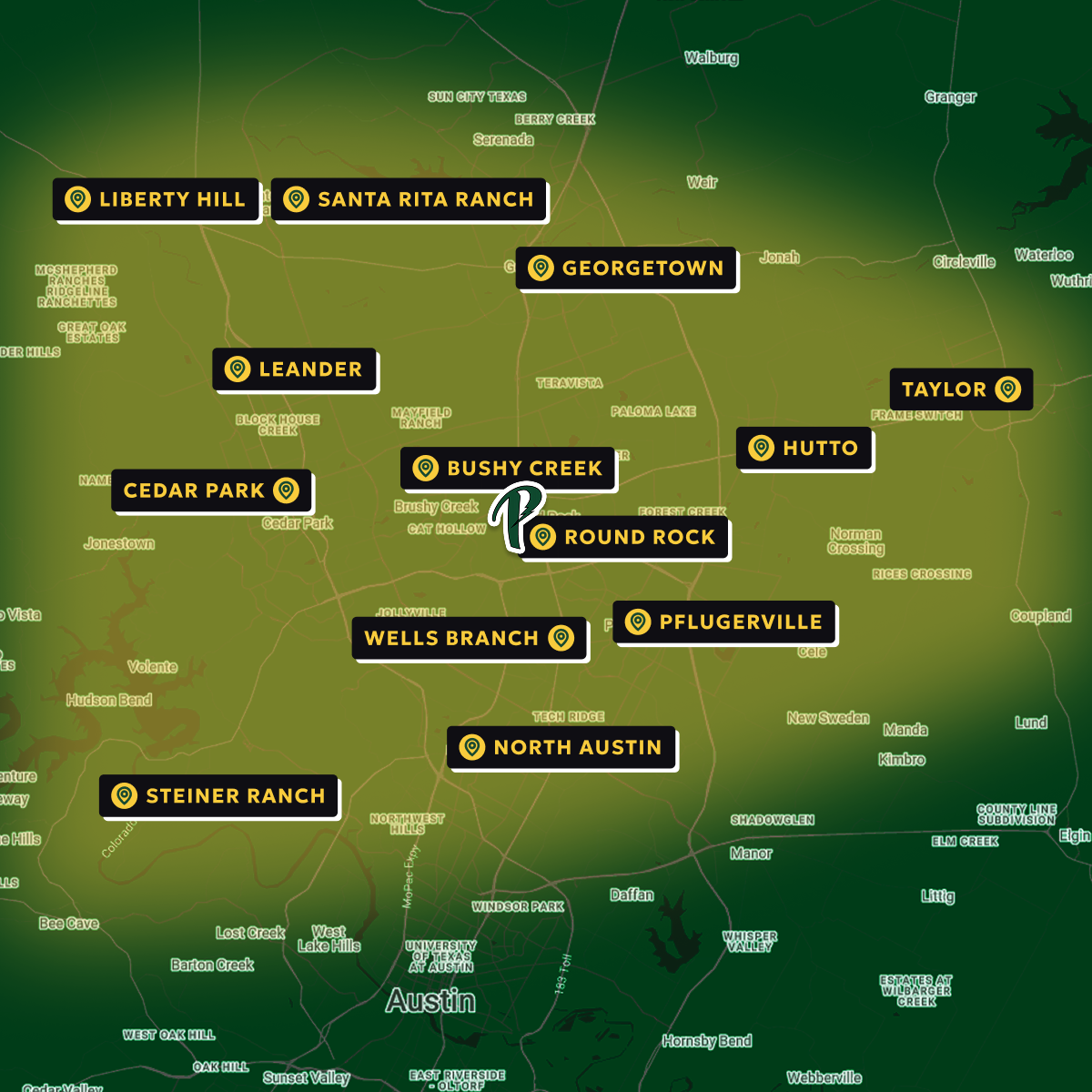
Central Texas homes can experience electrical disturbances related to thunderstorms, utility events, outages, equipment cycling, and other conditions.
Homes in Round Rock, Austin, and surrounding communities also contain increasing amounts of electronic equipment, from smart controls and entertainment systems to appliances with computerized components.
Whole house surge protection provides one additional layer of electrical protection for these connected systems.
It should be viewed as part of the home’s broader electrical safety and protection strategy, not as a guarantee against every possible electrical event.