How Home Warranty Electrical Coverage Works
A home warranty is a service contract rather than homeowners insurance. It typically addresses the failure of covered household systems and components under the terms of the agreement. It does not automatically cover every electrical problem or every cost required to complete a repair.
Most home warranty electrical requests follow a general sequence:
- The homeowner reports the electrical problem to the warranty provider.
- The provider reviews the request and creates a claim.
- An electrical service appointment is assigned or authorized.
- The electrician diagnoses the reported failure.
- Findings are submitted according to the provider’s requirements.
- The warranty company determines what work qualifies for coverage.
- Authorized electrical work is scheduled or completed.
- The homeowner is informed about any noncovered conditions or costs.
The warranty provider, not the electrician, makes the final coverage decision. Homeowners should review their service agreement or contact the provider with questions about deductibles, service fees, limits, exclusions, and authorization.
Electrical Problems Commonly Submitted Through Home Warranties
Electrical coverage varies, but many plans include specified parts of the interior electrical system. Problems involving switches, outlets, breakers, wiring, or permanently installed fans are commonly submitted for diagnosis.
Electrical Failures and Troubleshooting
A warranty request may begin with a general symptom rather than a known cause. Part of a room may lose power, a circuit may stop operating, or an electrical component may fail without an obvious explanation.
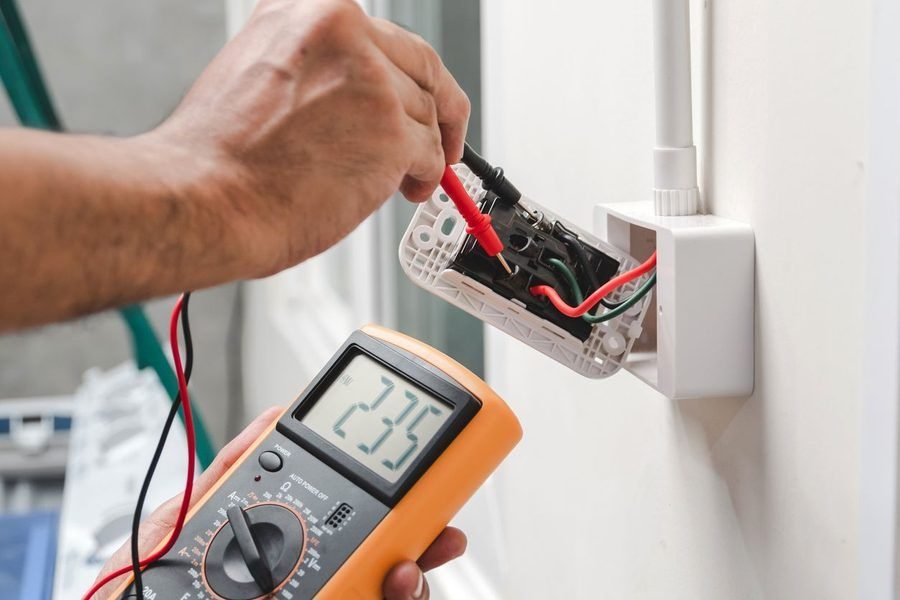
Professional electrical repair begins with troubleshooting the reported condition. The electrician identifies the affected circuit or component and determines what caused the failure. That diagnosis gives the warranty provider the information needed to review coverage.
A reported symptom does not establish eligibility by itself. Similar symptoms can result from covered component failure, accidental damage, an excluded condition, or work that falls outside the plan.
Switches and Outlets
Standard switches and receptacles are frequently included in home warranty electrical coverage when they fail through covered wear and use. Common service requests may involve:
- An outlet that no longer supplies power
- A switch that does not control its connected load
- A receptacle or switch that operates intermittently
- A device that feels loose or no longer holds plugs securely
- A ground-fault device that will not reset
- Visible heat damage associated with an internal failure
The electrician evaluates the device and its electrical connections before recommending switch or outlet repair. Decorative changes, new device installation, relocation, additional outlets, and elective upgrades may not qualify because they are improvements rather than repairs to failed covered components.
Breakers and Electrical Panel Components
Some home warranties cover specified parts within the main breaker or fuse panel. A claim may involve a breaker that will not reset, a circuit that repeatedly loses power, or another suspected panel-related failure.
An electrician must diagnose why the breaker is responding before determining what work is needed. A tripped breaker may be operating correctly in response to a problem elsewhere on the circuit. Replacing it without finding the underlying cause would not resolve that condition.
Eligible electrical panel service may be limited to the failed covered component. Capacity upgrades, elective replacement, obsolete equipment, code corrections, detached-building panels, or complete panel changes may be excluded or subject to separate limits.
Interior Electrical Wiring
Hardwired interior electrical lines are included in many home warranty plans, but coverage is generally tied to a specific covered failure. The electrician may need to trace the affected circuit, locate an accessible fault, and determine whether the wiring itself has failed.
Warranty-related electrical wiring work may address a defined damaged connection or failed section when authorized. It should not be assumed that a home warranty will pay for whole-home rewiring, replacement based only on age, access through finished surfaces, or improvements to an otherwise functioning system.
Ceiling Fans
Permanently installed ceiling fans are covered by some home warranty agreements. A request may involve a fan that no longer runs, operates intermittently, or has an apparent electrical failure.
During ceiling fan service, the electrician determines whether the problem originates in the fan, wall control, electrical connection, or supplying circuit. Coverage may be limited to specified components, repair methods, replacement allowances, or standard equipment defined by the plan.
Cosmetic concerns, desired style changes, remote-control accessories, or replacement solely for an updated appearance are not typically treated as covered failures.
Diagnosis Comes Before Coverage Authorization
The warranty company may need a professional diagnosis before deciding whether the reported problem is covered. The electrician’s role is to determine what failed and provide accurate information about the condition.
Diagnosis may involve:
- Discussing when and how the problem began
- Identifying the affected devices or rooms
- Examining accessible electrical components
- Testing the affected circuit
- Checking relevant connections
- Looking for damage or previous alterations
- Determining whether the reported component has failed
- Identifying conditions that affect the proposed repair
- Documenting the findings for claim review
Testing does not guarantee authorization. It establishes the electrical cause so the warranty provider can apply the terms of the agreement.
What May Not Be Covered by a Home Warranty?
Home warranty exclusions vary significantly. A plan that lists electrical-system coverage may still exclude particular causes, locations, materials, or project costs.
Depending on the agreement, noncovered electrical work may include:
- New electrical installations
- Additional circuits, switches, or outlets
- Device or fixture relocation
- Cosmetic or design changes
- Capacity upgrades
- Full-system modernization
- Conditions known before coverage began
- Problems caused by misuse or overloading
- Accidental or intentional damage
- Pest-related damage
- Storm, flood, or lightning damage
- Low-voltage, communications, or security wiring
- Work in detached structures
- Decorative lighting fixtures
- Generator systems
- Code upgrades not included by the plan
- Access or finish restoration beyond an allowed amount
This list is not a coverage determination. The homeowner’s current agreement controls what is included, excluded, limited, or subject to additional payment.
Repair, Replacement, and Upgrade Differences
These terms have different meanings in a home warranty claim.
A repair corrects a covered failure in an existing component. A replacement installs another component when the failed item cannot be repaired and the provider authorizes replacement. An upgrade changes capacity, features, appearance, layout, or performance beyond what is needed to address the covered failure.
A warranty may authorize a basic repair or standard replacement without paying for elective improvements. If a homeowner requests upgraded equipment or additional work, the provider may exclude the difference or require separate approval.
The electrician can explain the technical options, but the home warranty company determines the covered allowance.
Before the Electrical Service Appointment
Preparing for the visit can make the reported problem easier to evaluate.
Homeowners should:
- Confirm that the claim has been opened
- Keep the claim or work-order number available
- Review any instructions from the warranty provider
- Provide an accurate description of the failure
- Note when the problem started
- Avoid resetting a breaker repeatedly
- Clear access to the affected area
- Clear the space around the electrical panel
- Secure pets away from work areas
- Identify any prior work performed on the affected component
- Make an authorized adult available when required
Do not open the panel, remove electrical covers, or attempt temporary wiring before the appointment.
What Happens After Diagnosis?
Once the electrical problem has been diagnosed, several outcomes are possible.
The Repair Is Authorized
If the provider confirms coverage, the electrician can proceed according to the approved scope and any applicable provider requirements. Some work may be completed during the diagnostic visit, while other repairs may require authorization, materials, or a return appointment.
Additional Review Is Required
The provider may request photographs, test results, model information, cost details, or further explanation before making a decision. Work may pause while that review is completed.
Part of the Work Is Covered
A plan may cover the failed component but exclude access, modifications, upgrades, code-related work, or another condition affecting completion. The homeowner should receive information about any costs outside the approved claim before deciding how to proceed.
The Claim Is Not Covered
If the warranty provider denies coverage, the electrical problem may still need attention. The homeowner can request information about completing the necessary work outside the warranty claim.
Why Homeowners Should Start With Their Warranty Provider
Opening the claim before scheduling service can help preserve the required authorization process. Some warranty companies select or assign the service contractor, while others require advance approval before outside work begins.
Hiring an electrician independently and requesting reimbursement afterward does not guarantee that the provider will pay the invoice. Contact the warranty company first unless the agreement or provider gives different instructions.
For an electrical condition that appears immediately dangerous, move away from the affected area, avoid touching damaged components, and follow appropriate emergency guidance. Warranty authorization should not take priority over personal safety.
Home Warranty Electrical Service in Central Texas
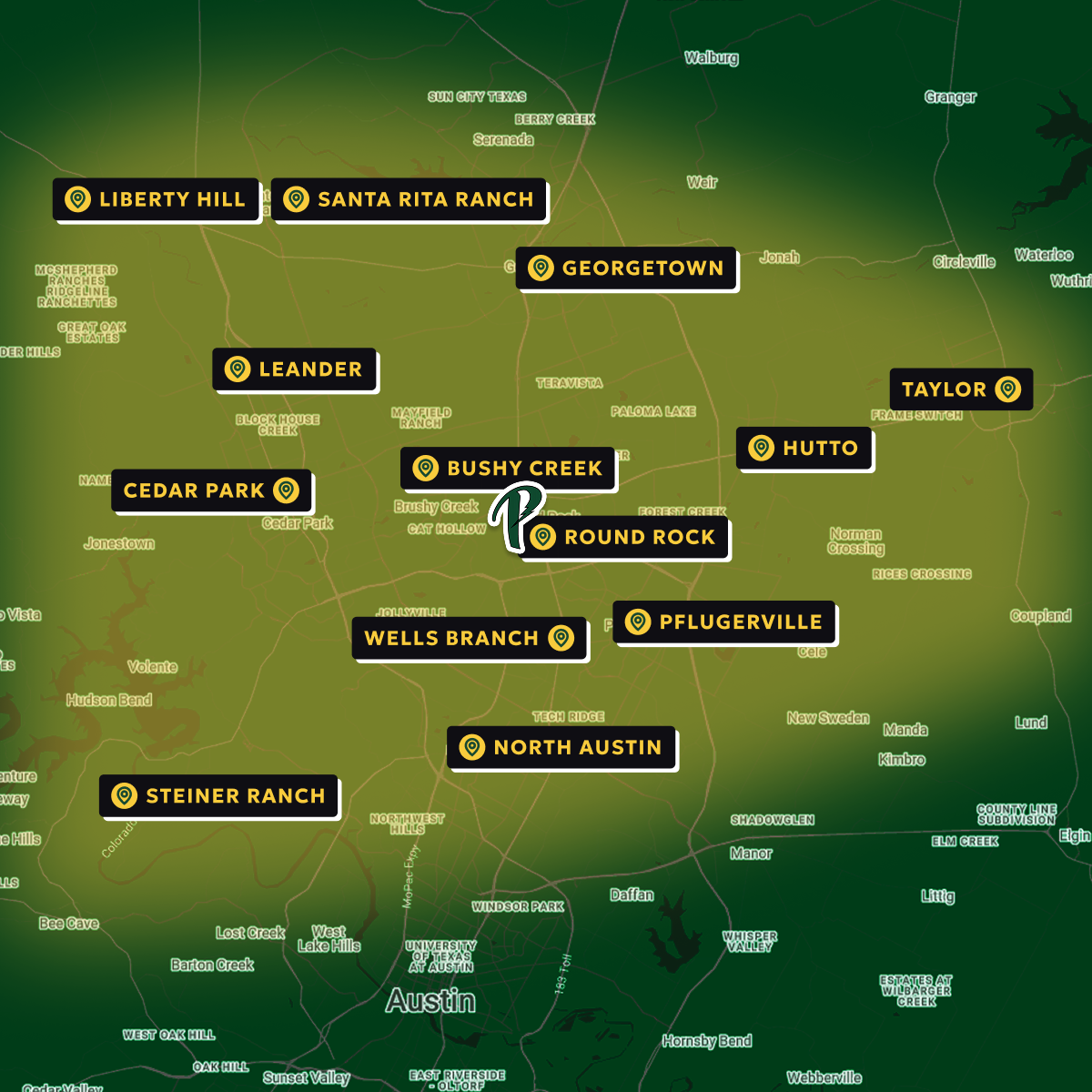
Perkin Electrical Services assists with eligible home warranty electrical requests in Round Rock, Austin, and surrounding Central Texas communities. The service focuses on diagnosing the reported failure, identifying the electrical work required, and completing the scope authorized through the claim.
Coverage is never assumed based only on the type of electrical component. The provider must compare the diagnosis with the homeowner’s specific contract before approving service.