Charging an electric vehicle at home can be much more convenient than relying on public charging, but installing the equipment involves more than mounting a unit on a garage wall. The home’s electrical capacity, panel, circuit requirements, charger location, wiring route, and selected equipment must all work together.
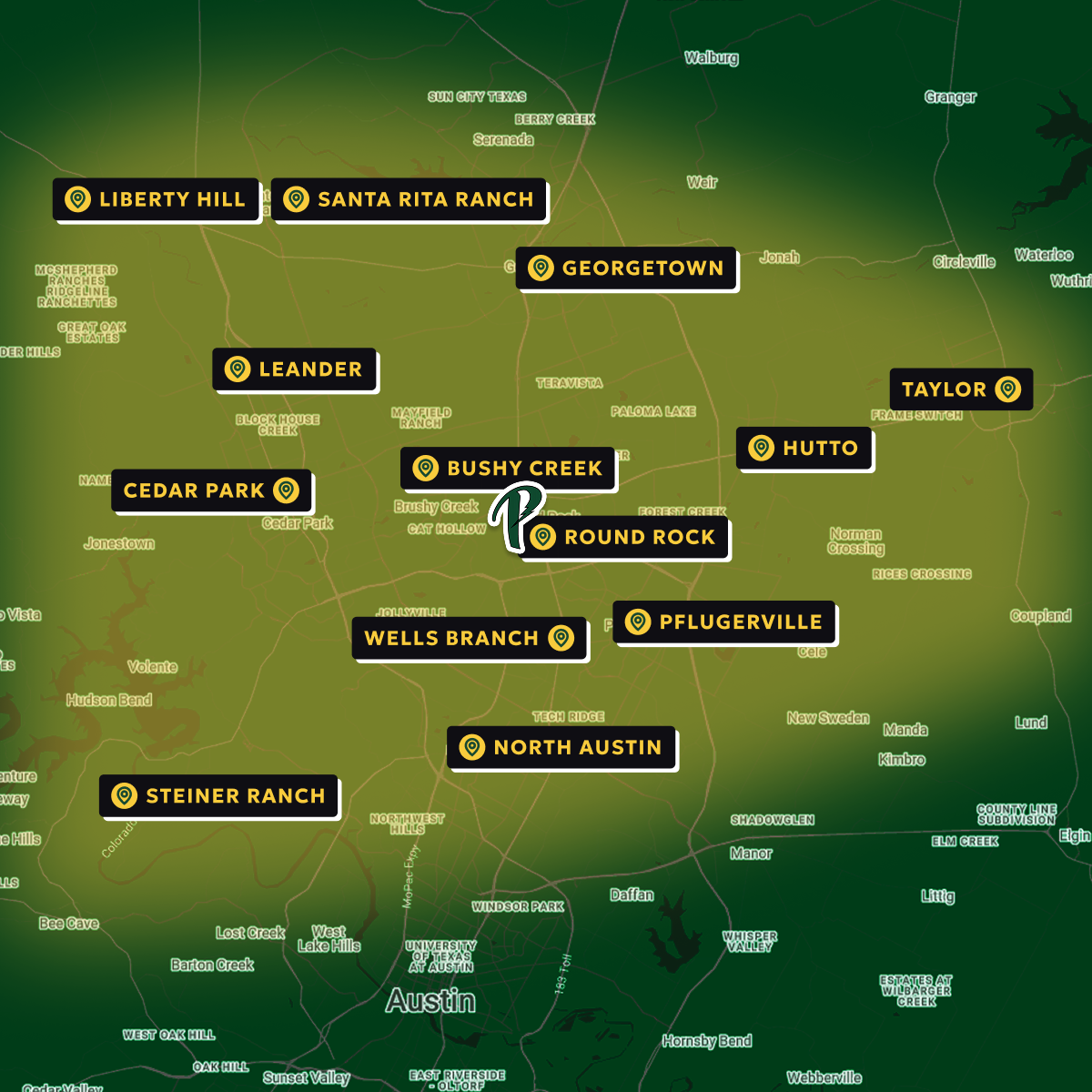
Perkin Electrical Services provides residential EV charger installation in Round Rock, Austin, and surrounding Central Texas communities. Our electricians evaluate the home’s electrical system, install the appropriate charging circuit, connect the selected equipment, and test the completed installation.
Whether you are installing a Tesla Wall Connector, ChargePoint Home Flex, Emporia EV Charger, Enphase EV charger, Wallbox Pulsar Plus, or another compatible charging unit, we start by determining what your home and vehicle actually require.
EV charging is part of our broader residential electrical services, and we plan each installation around the home’s existing electrical system and anticipated charging needs.
What Is Involved in EV Charger Installation?
EV charger installation typically involves running a dedicated electrical circuit between the home’s electrical panel and the charging equipment. The installation depends on the charger model, required circuit size, available electrical capacity, panel configuration, charger location, wiring route, and the distance between the panel and parking area.
Some homes can accommodate a relatively simple installation with a short wiring run to a garage charger. Others may require longer wiring runs, load management, panel modifications, or an electrical panel upgrade to support the additional demand. Evaluating the home’s electrical system first helps determine what is actually needed for the charger installation.
Across Round Rock and the surrounding communities, the right home charging setup depends on both the property and your driving routine. A daily commute along I-35, MoPac, or US 183 may call for different charging capacity than occasional local trips. We consider how much driving you need to recover overnight, where you park, and the electrical system already serving your home.
Planning Your Home EV Charger Installation
Before installing an EV charger, Perkin Electrical Services evaluates the charging equipment, where it will be installed, and the electrical system that will support it. This helps determine the appropriate circuit, wiring route, and connection while identifying any electrical updates needed before installation.
Checking Your Home’s Electrical Capacity
The first step is determining if the existing electrical system can support the additional charging load. Many homes can support an EV charger without major changes. If additional capacity is necessary, an electrical panel upgrade may be recommended based on the existing system and planned charging load.
Long Central Texas summers make cooling equipment an important part of the capacity review. An EV charger adds a sustained load that must be considered alongside air conditioning, cooking appliances, pool equipment, and other household demand. In established neighborhoods such as Balcones Woods and Wells Branch, we also check previous electrical modifications; in newer homes around Georgetown, Hutto, and Leander, we verify capacity rather than assuming recent construction can accommodate any charger. Where suitable, adjustable charging output or compatible load-management equipment may offer alternatives to a service upgrade.
Installing the Circuit & Wiring
EV chargers typically require a dedicated circuit sized for the specific charging equipment. Installation may include a new breaker, wiring between the electrical panel and charger, conduit or other wiring protection where appropriate, grounding, and the final charger connection.
The wiring route depends on the location of the panel and parking area. If existing electrical deficiencies affect the installation, additional wiring and rewiring work may be needed.
Local property conditions can make the wiring route just as important as the distance to the charger. Westlake and Steiner Ranch properties may involve sloped ground, shallow limestone, or parking areas separated from the main electrical equipment. Elsewhere, finished garages, wide driveways, and detached buildings can complicate access. We assess the route before installation and explain where excavation, surface-mounted conduit, or access through finished spaces may affect the work.
Choosing a Charger & Connection
The charger itself also affects the installation. Homeowners may choose hardwired equipment or other configurations, along with J1772, NACS-compatible, or universal charging options depending on their vehicle and equipment preferences.
The electrician can review the selected charger’s electrical requirements and make sure the circuit and connection are appropriate for the equipment, installation location, and desired charging rate.
Charger Placement for Central Texas Weather
An outdoor charger needs a location suited to summer heat, direct sun, and heavy rain. We check the selected equipment’s temperature and exposure ratings, installation instructions, and mounting requirements before choosing a position. On a sloped driveway or beside a garage, runoff and cable placement also deserve attention so the charging connection remains accessible without creating a trip hazard.
Garage installations need thoughtful placement, too. We account for vehicle orientation, cable reach, garage-door movement, and storage so everyday charging stays convenient. If you expect to add another EV, discussing that now can help us plan the circuit route and equipment layout with future charging needs in mind.
Home EV Charger Installation Options
The right home charger should suit your vehicle, parking arrangement, and the amount of driving you need to recover between trips. A household commuting daily from Round Rock or Georgetown may have different charging needs than someone making shorter trips around their neighborhood. We help match the equipment and installation to that routine while accounting for the electrical capacity available.
Home EV Charger Installation
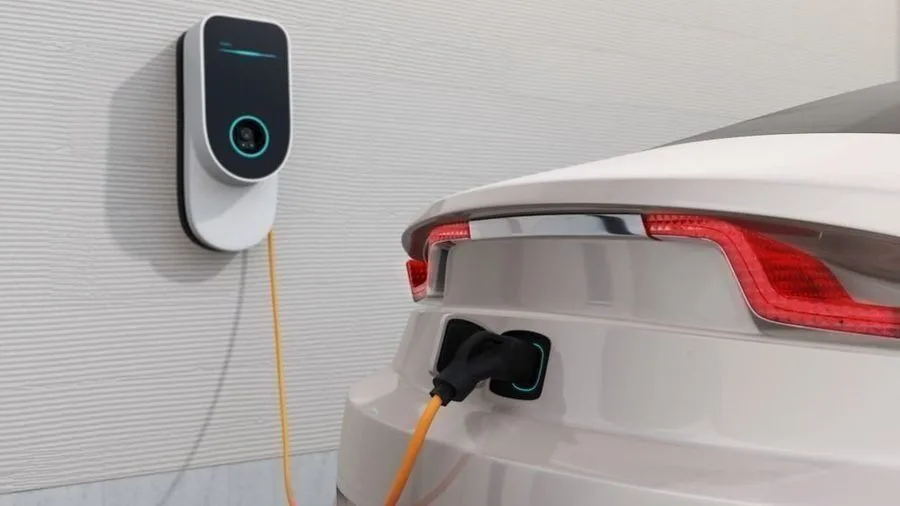
Home EV charger installation brings charging to the place you normally park, whether that is an attached garage, detached garage, carport, or driveway. We evaluate the mounting location, cable reach, electrical supply, and wiring route before connecting the selected equipment. Outdoor installations also need equipment suited to the location’s heat, sunlight, and rain exposure.
Planning around everyday use makes a difference. The charging cable should reach the vehicle’s port without stretching across a walkway, interfering with the garage door, or being exposed to vehicle damage. For households expecting a second EV, we can also discuss how today’s installation could accommodate future charging.
Level 2 EV Charger Installation
Level 2 charging uses a 240-volt supply and generally provides faster home charging than a standard 120-volt outlet. The actual charging rate depends on the equipment’s output, the vehicle’s onboard charging capability, and the electrical installation. Choosing the highest-output charger is not always necessary to replenish your daily driving overnight.
Our Level 2 EV charger installation includes evaluating capacity, installing an appropriately sized circuit, and connecting the equipment according to its requirements. During Central Texas summers, that capacity review includes cooling equipment and other household loads. Where appropriate, a lower charging setting or compatible load-management system may meet your needs without a larger service upgrade.
Tesla Wall Connector Installation
Tesla Wall Connector installation starts with checking the selected model, vehicle compatibility, and the home’s electrical supply. We plan the circuit and mounting location around the equipment’s requirements and where the vehicle’s charging port sits when parked. Available charging output must also be configured to suit the installed circuit.
A garage location close to the panel may allow a straightforward wiring route, while a detached garage or driveway installation can require more planning. On properties in Westlake or Steiner Ranch, slopes, rock, and existing hardscape may influence that route. We assess those conditions before establishing the installation scope.
ChargePoint Home Flex Installation
We install ChargePoint Home Flex charging equipment with a circuit and connection suited to the selected unit. Before installation, we review its electrical requirements, vehicle compatibility, and mounting location. The charging setup should fit your available electrical capacity and daily driving needs, whether you park inside a garage or need an outdoor installation.
Emporia EV Charger Installation
An Emporia EV charger installation starts with evaluating the equipment you have selected and the electrical system supplying it. If you are considering compatible energy-management features, we review the additional equipment and installation requirements before planning the work. This can be particularly useful when coordinating vehicle charging with substantial household loads, including cooling equipment during long Central Texas summers.
Enphase EV Charger Installation
Enphase EV chargers need an installation planned around the specific model, vehicle connection, and available electrical supply. We assess those requirements along with cable reach and the route from the panel to your parking space. If the home already has solar or battery equipment, we also review the proposed charging arrangement rather than assuming the systems will automatically work together.
Wallbox Pulsar Plus Installation
For a Wallbox Pulsar Plus installation, we review the selected model’s requirements and choose a practical mounting location near the vehicle. Garage storage, parking direction, and charging-port placement all influence where the equipment will be easiest to use. Households planning for another EV can also discuss compatible power-sharing options and the electrical work those arrangements may require.
J1772 and NACS-Compatible Charger Installation
J1772 and NACS describe vehicle-side charging connections, rather than charging speeds or electrical capacity. Choosing between them starts with your vehicle’s charging port and the charging equipment’s documented compatibility. Any adapter must also be appropriate for the vehicle and equipment involved.
We install compatible home charging equipment using either connection format. For households with different vehicles, we help review the proposed setup so connector selection, cable reach, and electrical capacity are addressed before installation.
EV Charger Repair
A charger that stops working does not always need replacement. Interrupted charging, repeated breaker trips, fault indicators, or reduced performance can involve the electrical supply, charging equipment, vehicle settings, or communication between components. We investigate the symptoms and check the installation to identify where the problem originates.
Our EV charger repair work addresses serviceable electrical issues within the installation, such as damaged supply wiring or defective connections. If the fault is inside the charging unit, the appropriate next step depends on the manufacturer’s service options and warranty requirements. Equipment damage, signs of overheating, or repeated faults should be evaluated before charging resumes.
EV Charger Replacement
EV charger replacement may make sense when equipment has failed, sustained damage, or no longer suits the household’s vehicles and charging needs. A replacement unit can differ in connector type, output, mounting requirements, and connection method. Those differences should be reviewed before assuming it can use the existing installation unchanged.
We check the existing circuit and electrical capacity against the replacement charger’s requirements. Switching to a higher-output unit may require electrical changes, while another replacement may work with the existing supply at an appropriate setting. The finished installation should suit the new equipment and remain practical for where you park.
What Happens During an EV Charger Installation?
The exact process depends on the charger and the home, but a typical installation follows several stages.
1. Review the charging equipment
The electrician identifies the charger being installed and its electrical requirements.
2. Evaluate the electrical system
The electrician reviews the panel, available capacity, breaker configuration, and relevant household loads.
3. Determine the charger location
The homeowner and electrician identify a practical mounting point based on parking, cable reach, and circuit routing.
4. Plan and install the circuit
The electrician determines the wiring route and installs the appropriate breaker, conductors, conduit, and related components.
5. Mount and connect the charger
The charging equipment is secured and connected according to its installation requirements.
6. Test the completed installation
The circuit and charging equipment are checked before normal use.
Additional steps may be required when the project includes panel changes or other electrical upgrades.