

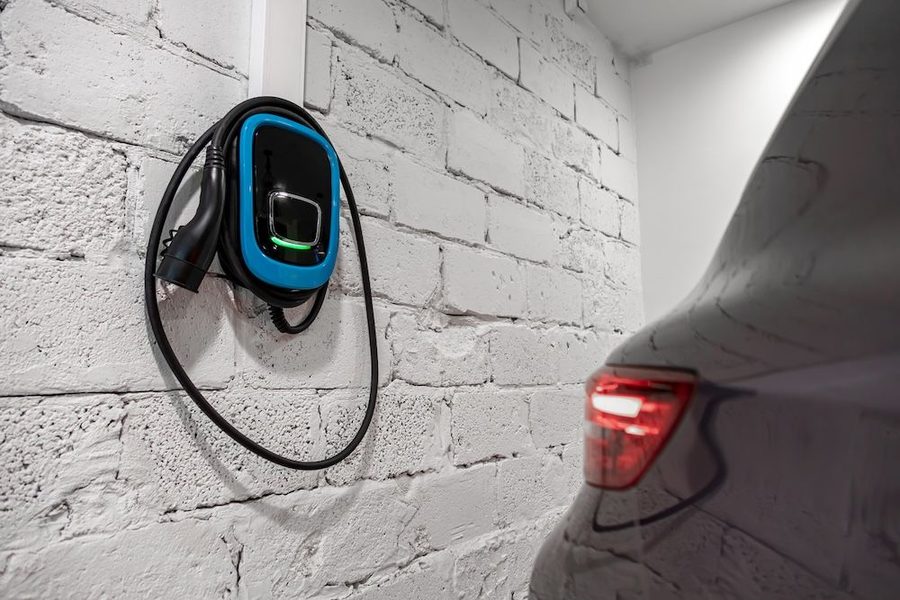
Installing a home EV charger can make owning an electric vehicle much more convenient. Instead of relying primarily on public charging stations, you can plug in at home and have your vehicle ready when you need it. But before installing charging equipment, there is an important question to answer: Can your home’s electrical system handle the additional load?
For some Round Rock homes, the existing electrical system may already have enough capacity. Others may need electrical modifications, a panel replacement, load management, or an electrical service upgrade. The right answer depends on your home’s existing electrical demand and the charging equipment you plan to install.
Does Installing an EV Charger Require an Electrical Panel Upgrade?
Not every Round Rock home needs an electrical panel upgrade before installing an EV charger. An electrician should evaluate the existing electrical service, panel capacity, available circuit space, charger requirements, and calculated household load to determine whether the current system can support EV charging.
An open space in your electrical panel does not automatically mean sufficient capacity is available. On the other hand, a heavily utilized or older panel does not automatically mean it must be replaced.
A professional electrical evaluation provides a better answer than assumptions based solely on the panel’s age or amperage rating.
How Much Electricity Does a Home EV Charger Use?
The electrical requirements depend partly on the type of charging you want.
Level 1 charging generally uses a standard household-voltage connection and typically provides slower charging.
Level 2 charging uses a higher-voltage circuit and generally provides faster home charging, making it a common choice for homeowners who want to replenish more driving range while their vehicle is parked at home.
The actual electrical load varies based on the charging equipment, vehicle, and configuration. The circuit, conductors, protection, and other electrical components must be appropriate for the charger and installed according to applicable requirements and manufacturer instructions.
What Is an Electrical Load Calculation?
One of the most important steps before installing an EV charger is determining how much electrical capacity your home actually needs.
An electrical load calculation is more involved than simply adding the maximum wattage of every appliance. Applicable electrical requirements use methods and demand factors to determine the calculated load on the home’s electrical system.
Depending on the property, the calculation may account for equipment such as:
-
Air conditioning and heating
-
Electric water heaters
-
Ranges and ovens
-
Clothes dryers
-
Pool or spa equipment
-
Other major appliances
-
Existing electrical loads
-
Proposed EV charging equipment
This provides a more useful basis for determining whether the existing service can accommodate the charger.
1. Check Your Existing Electrical Service Capacity
Your home’s electrical service rating is an important part of EV charger planning, but it does not tell the entire story.
Two Round Rock homes with similarly rated electrical services can have very different electrical demands. One might rely on several large electric appliances, while another uses different fuel sources for some equipment.
That is why EV charger installation should consider the entire home’s calculated electrical load rather than relying on one number printed on the electrical equipment.
Homeowners should not remove electrical panel covers to investigate internal components themselves. A qualified electrician can inspect the equipment safely.
2. Determine Whether the Panel Can Accommodate the New Circuit
EV charging equipment typically has specific circuit requirements, so the electrical panel must be able to accommodate the installation appropriately.
It is important to distinguish between physical breaker space and electrical capacity.
A panel might have an open position for another breaker but not enough available electrical capacity for the proposed load. Conversely, a panel without an obvious open space does not necessarily mean the utility service itself is too small.
An electrician can evaluate the panel’s listing, configuration, existing circuits, and calculated load to determine the appropriate solution.
3. Evaluate the Panel’s Condition
EV charger planning is also a good opportunity to evaluate the condition of your electrical panel.
An electrician may look for concerns such as:
-
Corrosion
-
Heat damage
-
Deteriorated components
-
Previous improper modifications
-
Damaged connections or equipment
-
Compatibility limitations
Panel age can be part of the discussion, but age alone does not automatically mean replacement is necessary. Condition, capacity, compatibility, and the requirements of the planned installation are more important.
4. Consider Other High-Demand Electrical Equipment
Your EV charger will not operate in isolation. It becomes another electrical load alongside everything else in your Round Rock home.
Air conditioning can represent a significant household electrical load, and your home may also have an electric water heater, clothes dryer, cooking equipment, pool, spa, workshop equipment, or other large loads.
The combination matters.
For example, a home with relatively modest existing electrical demand may be able to accommodate EV charging without major changes. A home already using much of its available capacity may require a different approach.
5. Think About Your Future Electrical Plans
Do not consider only the vehicle sitting in your driveway today.
If you expect to make additional electrical upgrades, planning ahead can help you evaluate capacity more strategically.
Future additions might include:
-
A second electric vehicle
-
Different EV charging equipment
-
Electric cooking equipment
-
Heat pump HVAC
-
Electric water heating
-
Pool or spa equipment
-
A home addition
-
Solar and battery equipment
You do not necessarily need to upgrade your electrical service for every possible future project. However, discussing your plans with your electrician can help you avoid making decisions based solely on today’s electrical needs.
Can You Install an EV Charger Without Upgrading the Panel?
Sometimes.
Depending on the home, charging equipment, vehicle, and existing electrical capacity, alternatives to increasing service capacity may be available.
For example, some charging equipment can be configured for an appropriate lower charging current. In certain installations, compatible energy or load management equipment may also help manage electrical demand.
These solutions are not universal workarounds. The equipment must be appropriate for the electrical system and installed according to applicable requirements.
A professional evaluation can determine which options make sense for your home.
Panel Upgrade vs. Service Upgrade: What’s the Difference?
Homeowners sometimes use these terms interchangeably, but they can refer to different projects.
An electrical panel replacement or upgrade involves changing the panel equipment. Depending on the project, this does not necessarily increase the amount of electrical capacity supplied to the home.
An electrical service upgrade can involve increasing the home’s service capacity and may require changes to multiple parts of the electrical system as well as coordination with the utility.
Your EV charger installation may require neither, one, or potentially a broader set of electrical improvements depending on existing conditions.
Where Should You Install Your EV Charger?
Electrical capacity is only one consideration. Charger location can affect the installation as well.
Think about:
-
Where you normally park
-
Charger cable reach
-
Distance from the electrical panel
-
Garage versus outdoor installation
-
Equipment environmental rating
-
How you may park future vehicles
If charging equipment will be installed outdoors, it must be suitable for the location and environmental exposure.
Why Use an Electrician for EV Charger Installation?
Home EV charging can place a substantial continuous demand on an electrical system. Proper installation requires more than simply finding space for another breaker.
An electrician can evaluate electrical capacity, perform the necessary load calculation, determine appropriate circuit requirements, inspect the panel, and install charging equipment according to applicable requirements.
Professional evaluation can also prevent an unnecessary panel upgrade when the existing system is capable of supporting the installation.
Get Your Round Rock Home Ready for EV Charging
Installing an EV charger does not automatically mean your electrical panel needs to be replaced. The decision should be based on your home’s actual electrical capacity, existing loads, panel condition, charging equipment, and future needs.
Contact Perkin Electrical Services for EV charger installation in Round Rock, TX. Our electricians can evaluate your electrical system, determine whether your existing panel can support home charging, and recommend the appropriate electrical solution for your EV.