Smart home devices can make everyday electrical controls more convenient by adding scheduling, remote access, automation, and voice control to lighting, outlets, and other compatible equipment. The technology may be simple to use once installed, but the devices still need to match the home’s wiring, electrical load, control setup, and preferred smart-home platform.
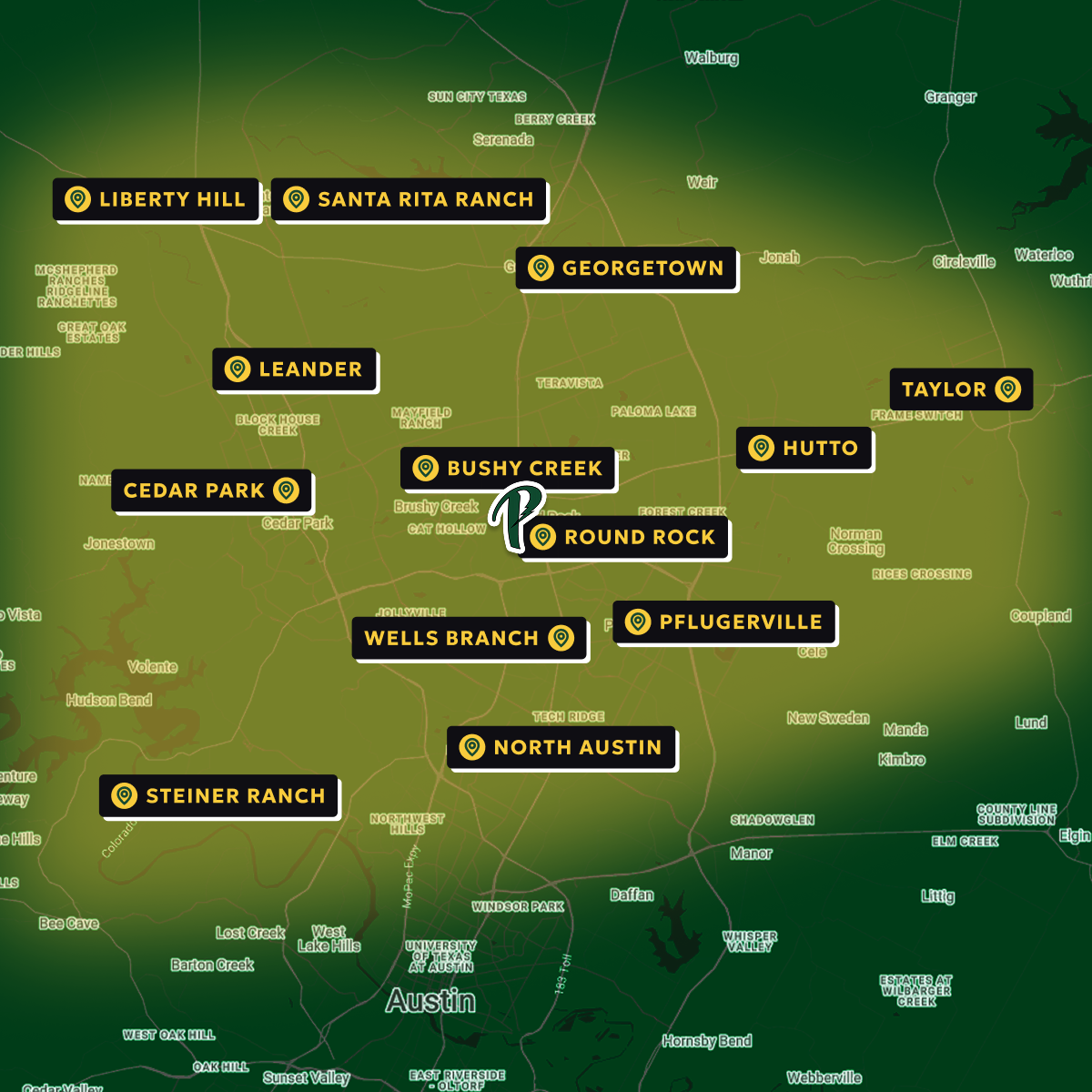
Perkin Electrical Services installs smart home devices for homeowners in Round Rock, Austin, and surrounding Central Texas communities. Our electricians work with smart light switches, smart dimmers, smart plugs, and other voice assistant-compatible devices while checking the existing electrical setup before installation.
Whether you want to automate one room or update controls throughout the home, we can help integrate compatible smart devices into your existing electrical system.
What Are Smart Home Devices?
Smart home devices are electrical controls or connected products you can operate through an app, automation platform, schedule, voice assistant, or other compatible control system.
Depending on the product, a smart device may allow homeowners to:
-
Turn lights on or off remotely
-
Create lighting schedules
-
Adjust brightness
-
Control plug-in devices
-
Set automation routines
-
Use voice commands
-
Coordinate several devices together
-
Monitor device status
The specific features depend on the manufacturer and product.
Electrical requirements can also vary, so one smart switch or dimmer may not directly replace another.
Smart Light Switches
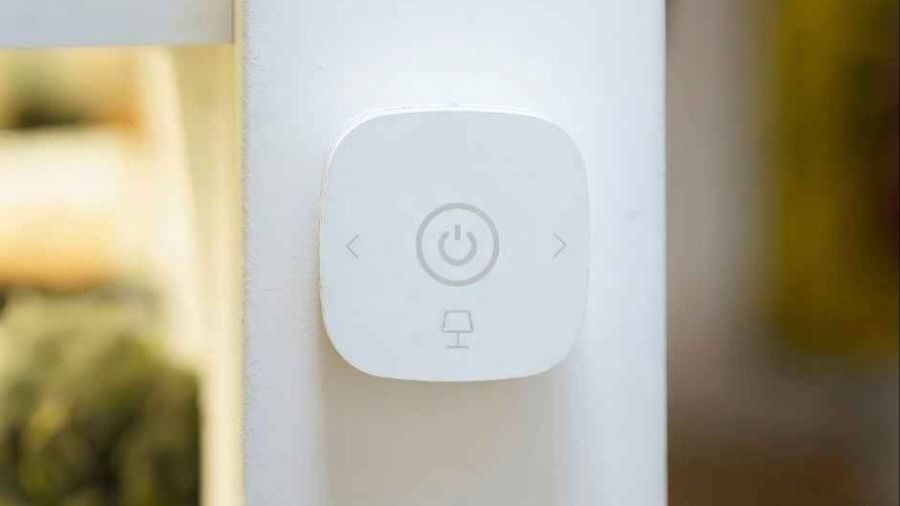
Smart light switches replace or supplement traditional wall switches while adding connected control features.
They may be used for:
Common features may include:
-
App control
-
Scheduling
-
Voice control
-
Timers
-
Automation routines
-
Multi-location control
Before installing a smart light switch, the electrician needs to evaluate the existing wiring and switch configuration.
Some smart switches require specific conductors or wiring arrangements that may not be present in every electrical box.
When the project also involves new outlets, switches, or control locations, the electrician can coordinate it with other switch and outlet work.
Smart Dimmers
Smart dimmers combine connected controls with adjustable lighting levels.
They may allow homeowners to control brightness through:
-
Wall controls
-
Mobile apps
-
Voice assistants
-
Schedules
-
Automated scenes
Compatibility matters when installing a smart dimmer.
The dimmer must work with the connected lighting load, and not every LED fixture or lamp responds the same way to every control.
An incompatible combination can lead to:
When replacing lighting fixtures at the same time, plan smart dimmers alongside the indoor lighting installation so the fixtures and controls work together properly.
Smart Plugs
Smart plugs provide connected control for compatible devices plugged into a receptacle.
They are commonly used for:
Depending on the product, smart plugs may provide:
-
Remote control
-
Scheduling
-
Voice control
-
Timers
-
Automation routines
Select a smart plug for the electrical load of the device you’re controlling.
Do not connect high-demand equipment to a smart plug unless the product is specifically rated for that use.
Smart Outlets
A smart outlet provides connected control directly at the receptacle rather than through a separate plug-in adapter.
Smart outlets can be useful in locations where homeowners want a cleaner permanent installation.
Possible uses include:
-
Lamps
-
Seasonal lighting
-
Entertainment equipment
-
Bedroom devices
-
Home office equipment
The electrician needs to confirm that the electrical box, wiring, and circuit are suitable for the selected device.
Don’t install a smart outlet just because it physically fits the box. The device rating and intended electrical load also matter.
Voice Assistant Compatible Devices
Many smart home products are designed to work with compatible voice assistants.
Voice assistant compatible devices may allow homeowners to control lighting, outlets, and other connected equipment with spoken commands.
The exact compatibility depends on the product and platform.
Before choosing equipment, homeowners should consider:
-
Which voice assistant they already use
-
Whether the device requires a hub
-
Wi-Fi or network requirements
-
Whether several products will work in the same ecosystem
-
Whether the device can still be operated manually
-
How automation routines will be used
The electrician handles the electrical installation, while app setup and platform features depend on the selected product.
Smart Home Device Compatibility
Smart devices are not universally interchangeable.
A product may depend on:
Checking compatibility before installation can prevent situations where a device is purchased but cannot function as expected with the existing electrical setup.
Specific model information helps when planning the installation.
Smart Devices and Older Wiring
Older homes may not have the same switch-box wiring configurations found in newer construction.
When an electrician removes an existing switch, the box may reveal:
Discovering an older condition does not automatically mean the home needs rewiring.
If the selected device cannot be installed with the existing wiring, wiring and rewiring work may provide an appropriate solution.
Smart Lighting Controls
Smart lighting can involve more than replacing one switch.
A homeowner may want to coordinate:
-
Recessed lights
-
Pendant lights
-
Chandeliers
-
Outdoor fixtures
-
Ceiling fan lights
-
Accent lighting
-
Dimmers
-
Motion controls
Planning the controls as a group can help avoid a collection of devices that operate through unrelated apps or incompatible systems.
Smart controls can also be useful during a larger lighting upgrade when you update multiple rooms at once.
Smart Outdoor Lighting
Connected controls can also manage exterior lighting.
Smart outdoor lighting may include:
Homeowners may use schedules, sunset-based routines, or remote control to manage exterior lighting.
Outdoor electrical equipment still needs to be appropriate for weather exposure. Smart functionality does not replace the need for suitable fixtures, boxes, wiring, and controls.
For larger projects, you can incorporate smart controls into an outdoor lighting installation.
Smart Ceiling Fan Controls
Some ceiling fans include built-in smart functionality, while others can work with compatible connected controls.
Features may include:
-
Fan speed adjustment
-
Lighting control
-
Scheduling
-
Voice commands
-
App operation
The fan and selected control must be compatible.
Do not substitute smart fan controls for standard switches without first confirming the electrical and equipment requirements.
When a fan is being installed or replaced, smart controls can be coordinated with ceiling fan installation.
Adding Smart Devices During Remodeling
A remodel can be a practical time to plan smart-home controls because wiring and electrical boxes may already be accessible.
During a larger home improvement project, homeowners may choose to add:
Planning early makes it easier to consider wiring requirements before walls and finishes are complete.
It can also help the homeowner choose devices that work together, rather than making isolated upgrades room by room.
What Happens During Smart Device Installation?
The exact process depends on the device, but a typical installation includes several steps.
1. Review the selected device
The electrician checks the product type and installation requirements.
2. Evaluate the existing wiring
The electrical box, conductors, switch configuration, and connected load are reviewed.
3. Confirm compatibility
The selected device is checked against the existing electrical setup.
4. Install the smart device
The electrician completes the electrical connection and secures the device.
5. Test electrical operation
The device is tested for basic electrical function.
App registration, account setup, voice assistant configuration, and other software features may vary by product and platform.
Troubleshooting Smart Switches and Controls
A smart device that stops working may not necessarily have failed.
Possible causes include:
-
Loss of electrical power
-
Loose wiring
-
Failed switch or outlet
-
Network problems
-
App configuration
-
Hub connectivity
-
Incompatible lighting
-
Device malfunction
The first step is determining whether the problem is electrical or related to the connected platform.
If the circuit or wiring is the issue, electrical troubleshooting and repair can address the underlying problem.
Choosing Smart Home Devices
Homeowners should consider more than features when selecting smart equipment.
Useful questions include:
-
Does it work with the preferred voice assistant?
-
Does it require a neutral wire?
-
Is a hub required?
-
Is the device rated for the intended electrical load?
-
Will it work with the existing lighting?
-
Can it be controlled manually if the network is unavailable?
-
Will it work with other devices already in the home?
Choosing compatible products before installation can simplify both the electrical work and everyday use.
Smart Home Device Installation in Central Texas
Homes throughout Round Rock, Austin, and surrounding Central Texas communities vary in age, wiring configuration, and level of existing automation.
Some homeowners are adding their first connected switch. Others are updating several rooms or integrating lighting, ceiling fans, outdoor controls, and outlets into one system.
The right installation depends on both the selected devices and the home’s existing electrical infrastructure.